layout of an electronics assembly
In the intricate world of electronics assembly, where precision and efficiency are paramount, the layout plays a pivotal role in determining the overall performance of the assembly process. Every aspect of the layout, from the arrangement of equipment to the flow of materials, is meticulously designed to optimize productivity, quality, and safety. Let’s delve into the strategies employed to optimize the layout for peak performance.
First and foremost, the layout is meticulously crafted to minimize production bottlenecks and maximize workflow efficiency. This involves strategically positioning workstations, machinery, and storage areas to facilitate smooth movement of materials and components throughout the assembly process. By minimizing the distance traveled and reducing unnecessary handling, cycle times are shortened, and throughput is increased, leading to greater productivity.
Moreover, ergonomics plays a crucial role in the layout design of electronics assembly facilities. Workstations are configured to ensure that operators can perform their tasks comfortably and safely. This includes factors such as the height of workbenches, the placement of controls and tools, and the provision of ergonomic seating. A well-designed ergonomic layout not only enhances worker satisfaction and morale but also minimizes the risk of injuries and fatigue, thereby contributing to higher productivity and quality.
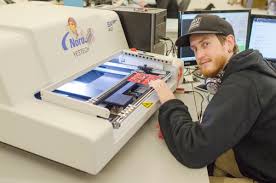
How is the layout of an electronics assembly optimized for performance?
Furthermore, the layout is optimized to facilitate effective communication and collaboration among team members. Workstations are arranged to promote interaction and teamwork, enabling operators to easily share information, troubleshoot problems, and coordinate their activities. This collaborative environment fosters a culture of continuous improvement and innovation, leading to enhanced performance and efficiency across the assembly process.
In addition to optimizing physical layout, electronics assembly facilities leverage advanced technologies to further enhance performance. Automation and robotics are increasingly being integrated into assembly lines to streamline processes, improve accuracy, and increase throughput. By automating repetitive tasks and precision-critical operations, such as soldering and component placement, manufacturers can achieve higher levels of consistency and efficiency, ultimately leading to superior product quality and reliability.
Another critical aspect of layout optimization in electronics assembly is ensuring the efficient utilization of space. Floor space is a valuable commodity, and every square foot must be utilized judiciously to maximize efficiency and minimize costs. This involves careful planning of equipment placement, aisle widths, and material storage solutions to optimize spatial efficiency without compromising workflow or safety. Utilizing vertical space through the implementation of mezzanine floors or shelving systems can further optimize space utilization and accommodate growth without the need for costly expansions.
Moreover, the layout is designed with flexibility in mind to accommodate changes in production requirements and technological advancements. Modular workstation designs and configurable production lines enable quick reconfiguration and adaptation to varying product specifications or volume fluctuations. This agility is essential in today’s fast-paced electronics industry, where market demands are constantly evolving, and rapid response is key to maintaining a competitive edge.
Lastly, the layout is optimized for compliance with industry regulations and standards governing electronics manufacturing processes. This includes considerations such as ESD (Electrostatic Discharge) protection, cleanroom requirements, and safety regulations. By adhering to these standards, manufacturers ensure the integrity and reliability of their products while mitigating the risk of costly defects or regulatory non-compliance.
In conclusion, the layout of an electronics assembly facility is meticulously optimized to enhance performance across all aspects of the production process. From streamlining workflow and maximizing efficiency to ensuring worker safety and compliance with industry standards, every aspect of the layout is carefully designed to achieve peak performance. By leveraging advanced technologies, fostering a collaborative environment, and prioritizing flexibility and compliance, manufacturers can stay ahead of the curve in today’s dynamic electronics industry.