Panelization Optimize Board Assembly Processes
A PCB is an essential part of any electronic product, and the right board layout can help it deliver the best performance. PCB design is a complex process that involves a number of critical factors, including EMI/EMC and thermal considerations. Once the design is finalized, the PCB goes through the fabrication and assembly process before it’s ready for production.
When you’re designing your PCB, it’s important to consider how the board will be panelized during the manufacturing and assembly processes. This will determine how easy it is to handle and manipulate the individual boards. For example, if the board assembly is destined for automated assembly through pick-and-place or surface mount technology (SMT), the PCB panelization should accommodate those processes by providing proper support to prevent sagging and ensure that the machine can easily access the individual components.
Several different methods are used to create PCB panels, and the selection depends on the production volume and design requirements. Generally, there are two primary options: tab routing and V-scoring. Tab routing leaves small tabs along the edges that can be broken manually or mechanically, while V-scoring provides perforated grooves for separation.
Both methods have advantages and disadvantages, so it’s essential to choose the one that’s best for your production volume and design requirements. V-scoring is a good choice for rectangular or square boards, while tab routing works better with more unusual shapes and edge-hanging components. In addition, the design should be optimized to fit your chosen method.
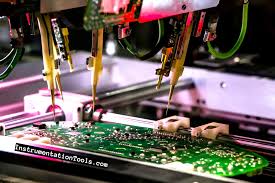
How Does Panelization Optimize Board Assembly Processes?
The PCBs within a panel should be consistent to ensure quality and easy handling, especially during the mass production phase. Moreover, the panel arrangement should be suitable for the specific assembly line and production equipment. This will help to minimize manual handling and reduce assembly errors.
In addition to reducing assembly time and improving efficiency, panelization also reduces material waste. This means that fewer pieces are required to meet your production goals, and you can save on costs, which can be passed on to your customers. The PCBs in a panel are also easier to inspect and test, which can result in improved quality and increased production yields. As a result, PCB panelization can be an effective solution to meet your production and cost targets while meeting high-volume demand. Working with a knowledgeable PCB contract manufacturer can help you determine the best panelization strategy for your project.
There are many different types of conformal coatings available on the market, and each one has a unique set of properties that make it ideal for certain applications. The best choice for a given application will depend on the operating temperature range, environmental contaminants, and the type of circuit board that will be coated.