Smt pcbas be recycled
Surface Mount Technology (SMT) has become the standard for printed circuit board assembly (PCBA) in the electronics industry, offering advantages such as high-density component placement, enhanced performance, and cost-effectiveness. As concerns about environmental sustainability continue to grow, the question arises: Can SMT PCBAs be recycled? In this article, we’ll delve into the challenges and possibilities of recycling SMT PCBAs and the emerging technologies and initiatives aimed at promoting sustainable electronics manufacturing practices.
smt pcba comprise a complex mix of materials, including metals, plastics, ceramics, and composites, making recycling a challenging endeavor. Traditional recycling methods, such as mechanical shredding and separation, are ineffective for SMT PCBAs due to their intricate designs and mixed material compositions. Additionally, the presence of hazardous substances, such as lead, mercury, and brominated flame retardants, further complicates the recycling process and raises environmental concerns.
However, despite these challenges, efforts are underway to develop innovative recycling technologies and processes tailored to SMT PCBAs. One promising approach is pyrolysis, a thermal decomposition process that breaks down complex materials into their constituent elements through high-temperature heating in the absence of oxygen. Pyrolysis has shown potential for recovering valuable metals, such as gold, silver, copper, and palladium, from SMT PCBAs while minimizing environmental impact.
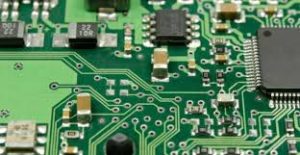
Can Smt pcbas be recycled?
Furthermore, advancements in material science and engineering are driving the development of eco-friendly and recyclable alternatives to traditional PCB materials. For example, researchers are exploring bio-based polymers, recycled plastics, and renewable materials as substitutes for conventional epoxy resins and fiberglass substrates used in SMT PCBAs. By incorporating sustainable materials into PCBA designs, manufacturers can reduce the environmental footprint of electronic products and facilitate end-of-life recycling.
In addition to technological innovations, regulatory initiatives and industry standards are playing a crucial role in promoting sustainable electronics recycling practices. Regulations such as the Restriction of Hazardous Substances (RoHS) directive and the Waste Electrical and Electronic Equipment (WEEE) directive impose restrictions on the use of hazardous substances in electronic products and mandate proper disposal and recycling procedures. Compliance with these regulations encourages manufacturers to adopt environmentally friendly materials and processes and facilitates the recycling of SMT PCBAs.
Moreover, the concept of circular economy is gaining traction in the electronics industry, advocating for the reuse, refurbishment, and recycling of electronic products and components to minimize waste and maximize resource efficiency. By designing products with end-of-life recycling in mind and implementing take-back programs and recycling initiatives, manufacturers can close the loop on product lifecycle management and promote sustainable consumption patterns.
In conclusion, while recycling SMT PCBAs poses significant challenges due to their complex composition and hazardous materials, ongoing efforts in technology development, regulatory compliance, and industry collaboration are paving the way for more sustainable electronics manufacturing practices. By embracing innovation, adopting eco-friendly materials, and adhering to responsible recycling practices, the electronics industry can minimize its environmental impact and contribute to a greener, more sustainable future.